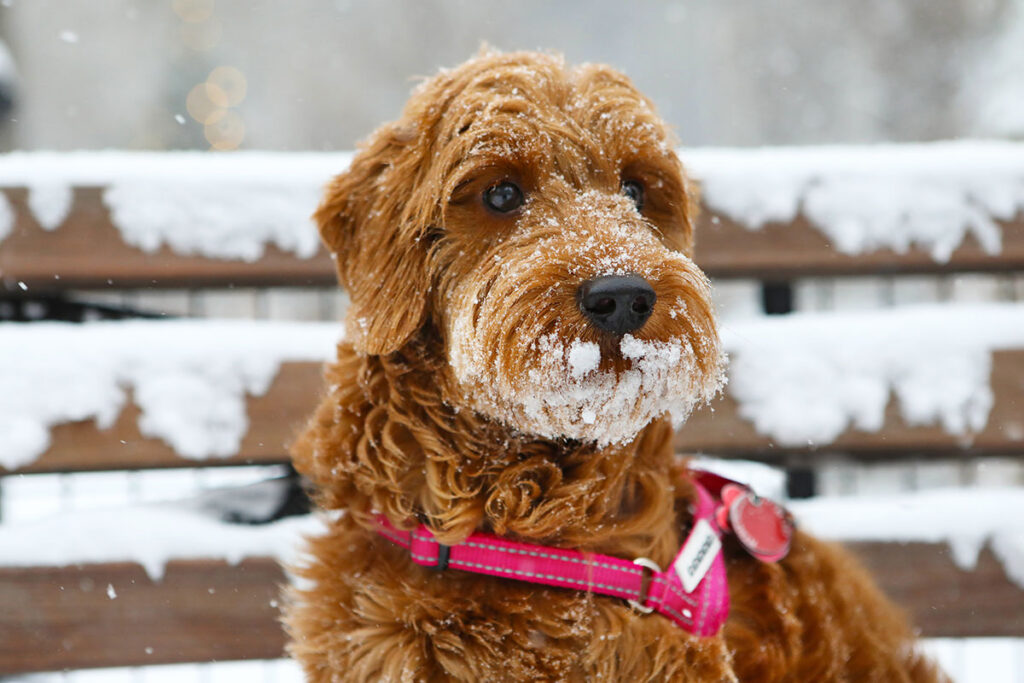
Dog frostbite occurs when prolonged exposure to cold temperatures causes damage to your dog’s skin and underlying tissues. In freezing weather, the body redirects blood flow away from the extremities to protect vital organs. This protective response increases the risk of frostbite in dogs, especially on the ears, tail, paws, and nose. Pet owners in Huntington, NY, often see these risks rise during winter storms, icy winds, and extended outdoor time. Recognizing dog frostbite early and knowing how to reduce cold exposure can help protect your pet from serious injury.
Signs of Frostbite in Dogs
Dog frostbite can show up in several physical and behavioral ways, and not all signs appear at the same time. Some changes develop during cold exposure, while others become noticeable as tissues warm back up. Careful observation after winter walks in Huntington, NY, helps pet owners catch frostbite in dogs early, when veterinary care can make the greatest difference. The seven signs below reflect the most common ways dog frostbite affects the body.
1. Skin Color Changes
Changes in skin tone often appear first on exposed areas. Pale or white skin may indicate reduced circulation, while bluish tones suggest more significant cold injury. As damage progresses, the skin may darken. These color shifts signal the need for prompt veterinary evaluation.
2. Cold, Hard, or Brittle Skin
Frostbitten tissue may feel unusually firm or cold to the touch. The surface can appear dry or stiff rather than soft and flexible. These changes occur because ice crystals form within the tissues during prolonged cold exposure. Handling these areas gently is important to avoid further injury.
3. Swelling or Blisters
As circulation returns, swelling often develops. Blisters or open sores may form within days of the initial exposure. These wounds increase the risk of infection and can be painful for your dog. Veterinary care helps assess tissue health and guide safe management.
4. Limping or Reluctance to Walk
Dogs with frostbite often change how they move because affected paws become painful and sensitive. A dog may hold up one paw, walk stiffly, or resist going back outside. These mobility changes sometimes appear before obvious skin damage is visible. Noticing shifts in gait after cold exposure can help identify injury sooner.
5. Discoloration of Ears or Tail Tip
The ears and tail have less insulation than the body core, so they cool quickly in freezing temperatures. Owners may notice pale, gray, or bluish areas along the ear edges or at the tail tip. As frostbite in dogs progresses, these areas can darken. Visual changes in these thin-skinned regions often signal cold injury.
6. Skin That Later Turns Dark or Black
In more advanced cases of dog frostbite, damaged tissue may change color over time. Areas that initially looked pale can become dark as circulation problems and tissue damage evolve. This change does not always happen immediately, which is why monitoring for several days matters. Any darkening of previously cold-injured skin requires prompt veterinary evaluation.
7. Pain, Sensitivity, or Excessive Licking
Dogs with frostbite often focus on the affected area because it feels painful or unusual as tissues warm. A dog may repeatedly lick, chew, or guard a paw, ear, or tail. Touching the area can trigger withdrawal or signs of discomfort. Increased attention to one body part after cold exposure can be an early clue that frostbite has developed.
What Breeds Are Susceptible to Frostbite?
Some dogs handle winter weather better than others, but no dog is immune to frostbite. Smaller breeds and dogs with short coats lose body heat quickly, which raises the risk of cold-related injuries. Puppies, senior dogs, and pets with certain medical conditions also struggle to regulate body temperature. In Huntington, NY, coastal winds and damp winter air can make the environment feel even colder than the thermometer reads.
Dogs at increased risk include:
- Short-haired breeds such as Boxers, Greyhounds, and Doberman Pinschers
- Small breeds, including Chihuahuas and Yorkshire Terriers
- Dogs with thin body condition or low body fat
- Pets with health concerns that affect circulation
- Dogs left outdoors for extended periods
Even thick-coated breeds can develop frostbite if exposure lasts too long or if their fur becomes wet. Snow, ice, and slush reduce insulation and increase heat loss through the paws and belly. Working and sporting dogs that stay active outdoors may mask early discomfort, which can delay detection of frostbite. Owners should check high-risk areas after every winter outing, even if their dog appears comfortable during the walk.
Why Dog Frostbite Is a Medical Concern
Frostbite in dogs affects more than just the surface of the skin. Cold injury can damage blood vessels, nerves, and deeper tissues, which may lead to long-term sensitivity or complications if not addressed. Areas such as paw pads and ear tips have limited muscle and fat for insulation, making recovery more challenging. Swelling that develops after rewarming can further reduce circulation, which increases tissue stress.
Severe dog frostbite may result in tissue loss, which is why early veterinary evaluation matters. Pain and inflammation can also limit mobility, causing dogs to avoid normal activity. Monitoring ensures the affected areas heal properly and helps reduce the risk of secondary issues related to open wounds. Prompt attention supports both comfort and safe recovery.
Treating Frostbite in Dogs
Frostbite in dogs requires prompt veterinary attention. Tissue damage may not be fully visible right away, and complications can develop over time. At Dix Hills Animal Hospital in Huntington, NY, our team evaluates circulation, skin integrity, and overall body temperature when pets come in after cold exposure. Early assessment helps determine the severity of dog frostbite and the safest path forward.
If you suspect your dog has frostbite, move your pet indoors immediately and keep them calm. Avoid rubbing or massaging affected areas, as this can worsen tissue damage. Do not apply direct heat, such as heating pads or hot water, which can burn already compromised skin. Professional care allows for controlled warming, pain assessment, and monitoring for secondary issues. Follow-up visits may be needed to track healing and watch for delayed skin changes.
How Can I Prevent Dog Frostbite?
Prevention remains the most effective way to protect your pet from frostbite. Cold weather safety starts with limiting outdoor time during freezing temperatures and strong winds. In Huntington, NY, winters, damp air and coastal gusts can lower the effective temperature quickly. Planning shorter walks and closely watching your dog’s behavior helps reduce risk. Adjusting activity schedules to warmer parts of the day can also lower cold exposure.
Protective strategies include:
- Use a properly fitted dog coat for short-haired or small breeds
- Dry paws and fur thoroughly after snow or rain
- Avoid icy surfaces and salted sidewalks when possible
- Check paws, ears, and tail after every winter outing
- Provide warm, dry shelter if your dog spends time outside
Dogs show early discomfort by lifting paws, slowing down, or trying to turn back toward home. Responding right away can prevent dog frostbite from developing. Keeping pets active indoors during extreme cold also supports their safety and comfort. Mental enrichment and indoor play help maintain activity levels when outdoor time must be limited.
Cold Weather Risks in Huntington, NY
Winter conditions in Huntington, NY, can change quickly, so staying alert to weather forecasts and temperature drops is important. If you notice any signs of dog frostbite or have concerns about cold exposure, contact Dix Hills Animal Hospital at (631) 271-8383 to discuss your pet’s symptoms or request an appointment online.