When can you neuter a dog? Most veterinarians recommend neutering between six and nine months of age, though the ideal timing can shift depending on your dog’s breed, size, and individual health. Pet owners in Huntington, NY often bring this question to Dix Hills Animal Hospital during a puppy’s early wellness visits, since getting the timing right affects everything from behavior to long-term health outcomes. This blog covers the medical and behavioral benefits of neutering, why the procedure is a cost-effective choice, common myths worth clearing up, and exactly when you can neuter a dog based on current veterinary guidance.
Medical Benefits of Dog Neutering
Neutering offers real, measurable health advantages beyond simply preventing unwanted litters.
Reducing Cancer and Disease Risk
Neutering eliminates the risk of testicular cancer entirely, since the testicles are removed during the procedure. It also significantly lowers the risk of certain prostate conditions, including benign prostatic hyperplasia, which becomes more common in older intact male dogs. Dogs that stay intact face a higher lifetime risk of these conditions compared to dogs neutered at an appropriate age, which is one reason so many owners ask, “When can you neuter a dog?” as early as their first puppy checkup.
Preventing Roaming-Related Injuries
Intact male dogs are more likely to escape yards and roam in search of a mate, which increases their exposure to traffic accidents, fights with other animals, and other physical injuries. Neutering reduces this drive substantially, which in turn lowers the number of emergency visits tied to roaming behavior.
Supporting Overall Wellness
Beyond disease prevention, neutered dogs often show more stable weight and energy patterns when paired with consistent diet and exercise. Your veterinarian can help you build a post-surgery wellness plan that accounts for any changes in metabolism that sometimes follow the procedure.
Behavioral Benefits of Dog Neutering
Hormone-driven behaviors often ease significantly once a dog is neutered, though timing and individual temperament both play a role in how noticeable the change is.
Reduced Aggression and Marking
Neutered dogs frequently show less territorial marking indoors and outdoors, along with reduced aggression toward other male dogs. This is especially true when the procedure is done before certain hormone-driven habits become deeply ingrained.
Calmer Response to Female Dogs in Heat
An intact male dog can become highly fixated, restless, or anxious when a female dog nearby is in heat, sometimes to the point of refusing to eat or focus on basic commands. Neutering typically reduces this fixation, making training and daily routines easier to manage.
Easier Training and Focus
Many owners notice that a neutered dog is more receptive to training once hormone-driven distractions decrease. This does not replace consistent training and socialization, but it does remove one significant obstacle that can interfere with a young dog’s ability to focus. It is a common reason trainers get asked “When can you neuter a dog?” before starting formal obedience classes.
Neutering Your Dog is Cost-Effective
The upfront cost of neutering is small compared to the expenses it can help you avoid over your dog’s lifetime.
Avoiding Costly Emergency Care
Roaming-related injuries, fights with other animals, and certain reproductive health emergencies can result in veterinary bills far higher than the cost of a routine neuter surgery. Preventing these situations in the first place is often the more affordable path over the long run, which is part of why so many owners want to know when can you neuter a dog before those risks even become relevant.
Lower Long-Term Health Costs
Because neutering reduces the risk of specific cancers and prostate conditions, it can also reduce the likelihood of expensive treatments later in life. Preventive procedures are generally less costly than managing an advanced disease after diagnosis.
Community and Licensing Savings
Many municipalities offer reduced licensing fees for neutered dogs, and some local shelters or veterinary clinics run seasonal discount programs. It is worth asking your veterinary team whether any current promotions apply to your dog’s procedure.
Debunking Spay and Neuter Myths and Misconceptions
Several persistent myths keep some owners from neutering their dogs at the right time, so it helps to separate fact from assumption.
Myth: Neutering Changes a Dog’s Core Personality
Neutering does not fundamentally alter a dog’s personality. It primarily reduces hormone-driven behaviors like marking, roaming, and mounting, while traits like playfulness, loyalty, and general temperament remain largely intact. Owners asking “When can you neuter a dog?” out of concern for personality changes can generally set that worry aside.
Myth: Dogs Automatically Become Overweight
Weight gain after neutering is common but not inevitable. It typically results from a slight drop in metabolic rate combined with unchanged feeding habits, which means portion adjustments and regular exercise can prevent excess weight gain entirely.
Myth: Neutering is Only About Preventing Litters
While preventing unwanted litters is one benefit, it is far from the only reason to consider the procedure. The medical and behavioral advantages outlined above apply regardless of whether a dog would ever be bred, which is why the question of “When can you neuter a dog?” matters even for owners who never plan to breed.
Common misconceptions worth setting aside include:
- The belief that a dog needs to have one litter before being neutered, which has no medical basis
- The assumption that neutering is a purely cosmetic or unnecessary procedure
- The idea that recovery is lengthy or especially painful for most healthy dogs
When to Neuter Your Dog
So, when can you neuter a dog? The most common answer for many breeds is between six and nine months of age, but the full picture is more nuanced than a single number.
General Age Guidelines
For many small and medium-breed dogs, six months is a widely used starting point when owners ask “When can you neuter a dog safely?” Large and giant breeds often benefit from waiting longer, sometimes up to 12 to 18 months, since their growth plates take more time to close and early neutering has been linked to a higher risk of certain joint issues in some large-breed studies.
Why Breed and Size Change the Timeline
The question of “When can you neuter a dog?” does not have a single universal answer because breed size directly affects skeletal development. Your veterinarian can evaluate your dog’s individual growth pattern and breed-specific risk factors to recommend a more precise window rather than relying on a generic age cutoff.
Talking to Your Veterinarian About Timing
Because the honest answer to when you can neuter a dog depends on multiple factors, the most reliable approach is a conversation with your veterinary team during a wellness visit. Dix Hills Animal Hospital can assess your dog’s breed, size, and health history to recommend an appropriate age for dog neutering rather than defaulting to a one-size-fits-all timeline.
Helping Your Dog Before and After Surgery
Preparing properly for the procedure and following recovery guidance closely both play a role in a smooth outcome.
Before Surgery
Your veterinary team will typically recommend a pre-surgical exam and possibly bloodwork to confirm your dog is a good candidate for anesthesia. Fasting instructions the night before are common, since an empty stomach reduces the risk of complications during the procedure.
After Surgery
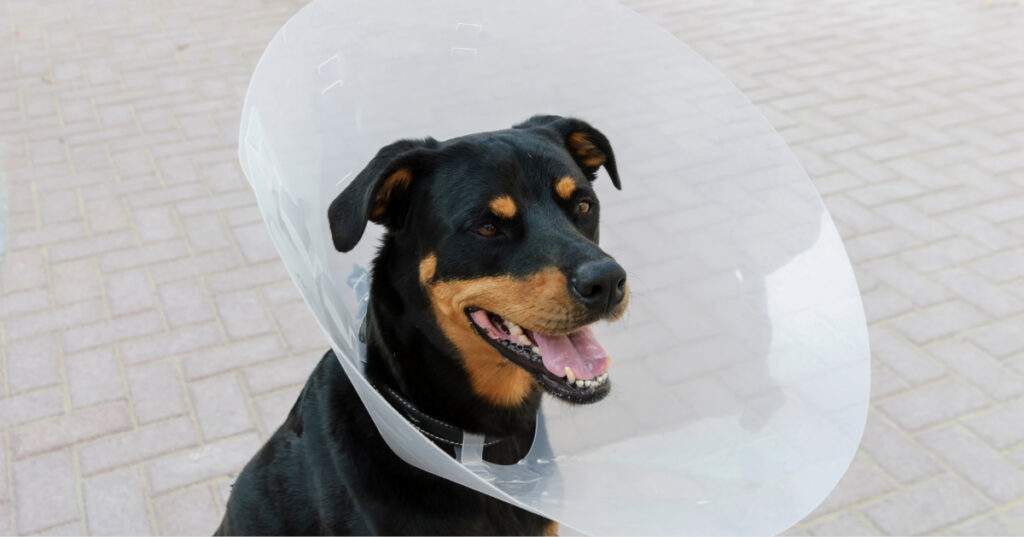
Most dogs need a period of restricted activity for about ten to fourteen days after neutering, along with a protective cone or recovery suit to prevent licking or chewing at the incision site. Keeping your dog calm during this window, away from jumping, running, or rough play, supports proper healing and reduces the chance of complications.
Warning Signs to Watch For
Contact your veterinarian if you notice swelling, discharge, unusual lethargy, or a reluctance to urinate after the procedure. These signs do not always indicate a serious problem, but they should be evaluated promptly rather than monitored at home.
A few recovery essentials worth having ready in advance include:
- A properly fitted e-collar or recovery suit sized for your dog
- A quiet, low-traffic space away from stairs or other pets during the first several days
- A follow-up appointment already scheduled before surgery day
Planning the Right Timeline for Your Dog
There is no single date that answers “When can you neuter a dog?” for every pet, since breed, size, and individual health all shape the decision. Rather than relying on a generic age cutoff, the most reliable path is a conversation with your veterinary team about your dog’s specific growth pattern and risk factors. A personalized plan accounts for details a blanket recommendation simply cannot.
If you are weighing when to neuter a dog in your own household, Dix Hills Animal Hospital in Huntington, NY can walk you through the medical, behavioral, and financial factors and help you settle on a surgery date that genuinely fits your dog’s needs. Call us at (631) 271-8383 or book an appointment online. Bring your questions to your next wellness visit, and let our veterinary team help you map out a timeline that works.