Cat dehydration happens when a cat loses more fluid than it takes in, and because cats are naturally good at hiding illness, the early signs are easy to miss. A cat that seems only slightly off may already be more dehydrated than it appears, which is part of why this condition earns its reputation as a silent danger. Our team at Dix Hills Animal Hospital in Huntington, NY wants pet owners to recognize the subtle signals before cat dehydration becomes a more serious problem.
This blog discusses what dehydration actually is, the symptoms to watch for, common causes, what to do if you suspect a problem, how veterinarians treat it, and practical ways to help your cat stay properly hydrated.
What Is Dehydration in Cats?
Cat dehydration occurs when fluid loss outpaces fluid intake, disrupting the balance of water and electrolytes a cat’s body needs to function normally.
How Fluid Balance Normally Works
Cats maintain hydration through drinking water, moisture in their food, and normal kidney function that conserves fluid as needed. When any part of that balance is disrupted, whether through illness, heat, or reduced water intake, dehydration can develop faster than many owners expect. A healthy cat’s body is generally good at self-regulating fluid levels, which is exactly why a disruption to that system stands out once it happens.
Why Cats Are Prone to Dehydration
Cats evolved from desert-dwelling ancestors and have a naturally low thirst drive compared to dogs, which means they do not always drink enough on their own, especially if fed a dry-food-only diet. This built-in tendency makes cat dehydration more common than many owners realize, even in cats that seem otherwise healthy.
Levels of Severity
Dehydration in cats ranges from mild, which can often be corrected with encouragement to drink more, to severe, which requires prompt veterinary intervention. Recognizing where a cat falls on that spectrum is part of why understanding the symptoms below matters so much. A single missed meal or an off day is rarely cause for alarm on its own, but a pattern of reduced water intake alongside other symptoms is worth taking seriously.
Cat Dehydration Symptoms
Because cats mask illness well, cat dehydration symptoms are often subtle at first and become more obvious only as the condition progresses.
Skin and Coat Changes
One of the most well-known signs of cat dehydration is reduced skin elasticity, tested by gently lifting the skin at the shoulder blades and watching how quickly it returns to place. In a well-hydrated cat, the skin snaps back almost immediately, while a dehydrated cat’s skin may return more slowly or stay tented briefly.
Behavioral and Energy Shifts
Lethargy, reduced interest in play, and general low energy are common early indicators of cat dehydration, though they can also point to a range of other health issues. A cat that seems unusually quiet or withdrawn for more than a day is worth watching closely, especially if the change appears alongside a hot spell or a recent bout of vomiting or diarrhea.
Physical Symptoms to Watch For
Dry or tacky gums, sunken eyes, and a reduced appetite are additional signs that often appear as dehydration progresses. Panting, which is unusual in cats outside of extreme heat or stress, can also indicate a more advanced stage of cat dehydration.
Symptoms that suggest cat dehydration may be moderate to severe include:
- Gums that feel dry or sticky rather than moist to the touch
- Noticeably sunken or dull-looking eyes
- Skin that stays tented for several seconds after a gentle pinch test
Causes of Dehydration in Cats
Cat dehydration can stem from a wide range of underlying issues, from simple environmental factors to more serious medical conditions.
Illness and Underlying Disease
Kidney disease, diabetes, hyperthyroidism, and gastrointestinal illness are among the most common medical causes of cat dehydration, since vomiting, diarrhea, and increased urination all accelerate fluid loss. These conditions often require ongoing management from a veterinarian to keep hydration stable, and in many cases the dehydration itself is what first prompts an owner to schedule an exam.
Environmental and Lifestyle Factors
Hot weather, inadequate access to fresh water, and a diet consisting entirely of dry kibble can all contribute to cat dehydration, particularly in cats that are naturally reluctant to seek out water on their own. Multi-cat households can also see uneven water intake if one cat is discouraged from approaching a shared bowl.
Age and Health-Related Risk Factors
Senior cats, kittens, and cats with chronic illness are more vulnerable to cat dehydration than healthy adult cats, since their bodies have less reserve capacity to compensate for fluid loss. Extra attention to water intake is especially important for cats in these groups.
What To Do If Your Cat Is Dehydrated
If you suspect cat dehydration, a few immediate steps can help while you arrange veterinary care.
Assessing the Situation
Gently check your cat’s gums and perform the skin tent test to get a general sense of severity, and note any other symptoms like lethargy, vomiting, or reduced appetite. This information will be useful when you speak with your veterinary team, whether that is a call to Dix Hills Animal Hospital or an in-person visit.
Offering Fresh Water and a Calm Environment
Make fresh water easily accessible and encourage your cat to rest in a cool, quiet space while you plan next steps. Avoid forcing your cat to drink, since this can cause stress or accidental aspiration.
Knowing When It Is an Emergency
Severe lethargy, repeated vomiting, collapse, or a complete refusal to eat or drink are signs that cat dehydration has become an emergency requiring immediate veterinary attention rather than a wait-and-see approach.
A few situations that call for prompt veterinary contact include:
- Vomiting or diarrhea that continues for more than a few hours
- A cat that is unusually weak, wobbly, or unresponsive
- Known exposure to extreme heat without adequate water access
Treatment for Dehydration in Cats
Veterinary treatment for cat dehydration depends on the severity of the case and the underlying cause driving it.
Fluid Therapy
Veterinarians commonly correct cat dehydration using subcutaneous or intravenous fluids, which restore hydration more quickly and reliably than oral intake alone in moderate to severe cases. The specific approach depends on how dehydrated the cat is and how well it is tolerating treatment.
Addressing the Underlying Cause
Because dehydration is often a symptom of another condition, treatment usually includes diagnostic testing to identify issues like kidney disease, diabetes, or gastrointestinal illness. Managing the root cause is essential to preventing the dehydration from recurring.
Monitoring Recovery
After initial treatment, your veterinary team may recommend follow-up bloodwork or a recheck visit to confirm hydration levels have stabilized. This is particularly important for cats with chronic conditions that put them at ongoing risk.
How To Prevent Dehydration in Cats
Simple, consistent habits at home can meaningfully lower the risk of cat dehydration over time.
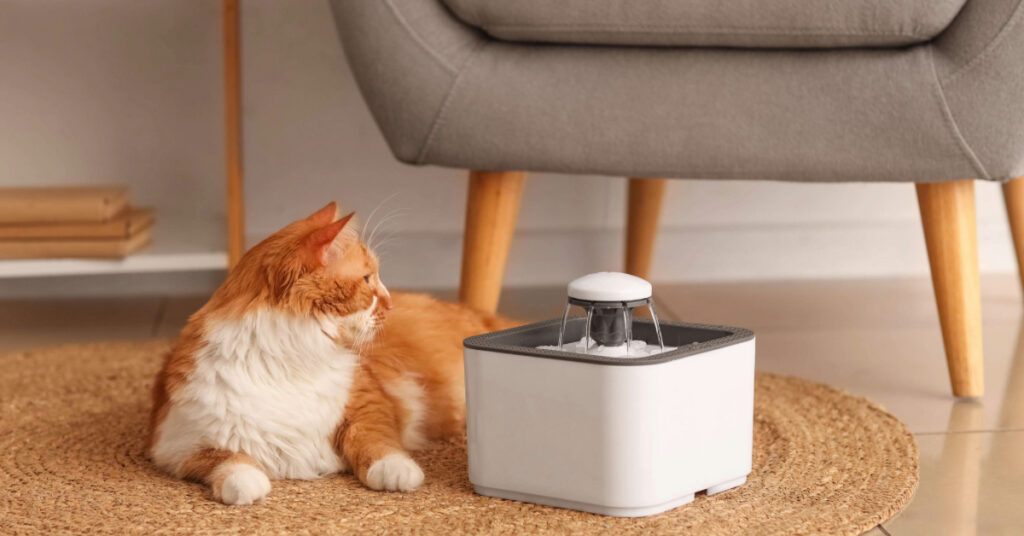
- Improving Water Access: Placing multiple water bowls throughout the home, keeping them away from litter boxes and food, and using a pet fountain to encourage drinking can all help increase daily water intake. Some cats are simply more drawn to moving water than a still bowl.
- Incorporating Wet Food: Adding wet food to your cat’s diet, even a few times a week, introduces significant additional moisture compared to dry kibble alone. This is one of the more effective ways to reduce the everyday risk of dehydration, especially in cats with a low natural thirst drive.
- Watching for Seasonal Risk: Warmer months bring a higher risk of fluid loss, particularly for cats that spend time outdoors or in spaces without reliable airflow. Keeping an eye on water bowl levels during heat waves and offering extra wet food on especially hot days can help offset the added risk during those stretches.
Staying Ahead of Cat Dehydration
Consistent attention at home, paired with regular veterinary checkups, gives you the best chance of catching cat dehydration early rather than after it becomes serious. A quick skin tent test or gum check during regular grooming or petting sessions can help you notice changes before they become obvious. This is especially valuable for senior cats or those managing a chronic condition.
If you notice ongoing signs of cat dehydration, or if your cat falls into a higher-risk group such as seniors or cats with existing health conditions, Dix Hills Animal Hospital can help you build a hydration and wellness plan suited to your cat’s needs. Call us at (631) 271-8383 or book an appointment online, so our veterinary team can address them before they escalate.