Bloat in dogs is a life-threatening emergency that occurs when the stomach fills with gas and sometimes twists on itself, cutting off blood flow to vital organs. It can progress from mild discomfort to a critical situation within a matter of hours, which is why recognizing the early signs matters so much. Our team at Dix Hills Animal Hospital in Huntington, NY wants pet owners to understand what causes bloat in dogs, how to spot it early, and what steps can lower the risk.
This guide covers what bloat actually is, the symptoms and causes to watch for, how veterinarians diagnose and treat it, what recovery looks like, and practical ways to help prevent it.
What Is Bloat in Dogs?
Bloat in dogs, medically known as gastric dilatation, occurs when the stomach fills with gas, food, or fluid and expands beyond its normal size.
How Bloat Progresses
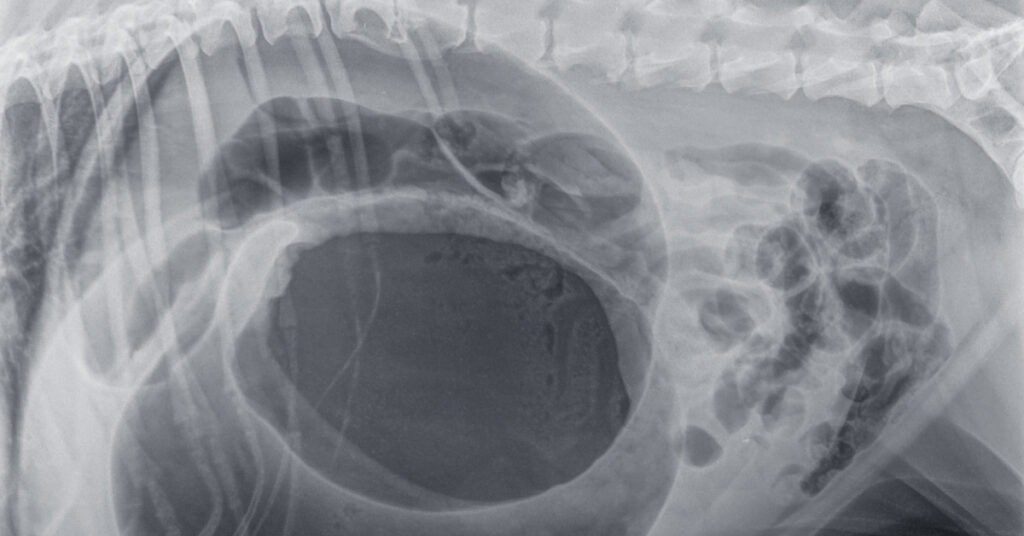
In its simplest form, bloat is a stomach that has become distended, but the more dangerous version is gastric dilatation-volvulus, or GDV, where the distended stomach rotates on its axis. This rotation can trap gas inside, cut off blood supply to the stomach wall, and compress major blood vessels, which is what makes GDV a true emergency rather than simple indigestion.
Which Dogs Are Most at Risk?
Large and giant breed dogs with deep, narrow chests, such as Great Danes, German Shepherds, and Standard Poodles, face a significantly higher risk than smaller or more barrel-chested breeds. Age also plays a role, since the risk tends to increase as dogs get older.
Why Speed Matters
Bloat in dogs can move from early discomfort to a life-threatening crisis in a short window of time, sometimes just a few hours. This rapid progression is the main reason veterinarians treat any suspected case as an emergency rather than something to monitor overnight.
Symptoms of Bloat in Dogs
Recognizing the symptoms of bloat in dogs early can make a significant difference in outcome.
Early Warning Signs
A visibly swollen or distended abdomen, restlessness, and unproductive attempts to vomit are among the earliest and most recognizable signs of bloat in dogs. A dog may pace, whine, or seem unable to get comfortable in any position.
Physical Changes to Watch For
As bloat progresses, owners may notice excessive drooling, rapid or labored breathing, and a hunched or hunched-looking posture. The abdomen often feels firm or tight to the touch rather than soft.
Signs of Advanced Distress
Pale gums, a rapid heart rate, weakness, or collapse indicate that bloat in dogs has advanced to a critical stage requiring immediate emergency care. These signs suggest the body is struggling to compensate for reduced blood flow.
Symptoms that should prompt an immediate emergency visit include:
- A swollen, hard abdomen paired with repeated attempts to vomit that produce little or nothing
- Restlessness, pacing, or an inability to settle combined with visible discomfort
- Pale or gray gums, weakness, or sudden collapse
Causes of Bloat in Dogs
Researchers have identified several factors that appear to increase the risk of bloat in dogs, though the exact cause is not always clear in every case.
Eating Habits and Speed
Eating very quickly, consuming a large single meal rather than smaller portions, and drinking large amounts of water right after eating are all associated with a higher risk of bloat in dogs. Fast eaters tend to swallow more air along with their food, which can contribute to gas buildup.
Physical and Genetic Factors
Deep-chested body shapes, a family history of bloat, and certain breed predispositions all increase the likelihood of the condition. Dogs with a first-degree relative that has experienced bloat carry a notably higher risk themselves.
Activity Around Mealtimes
Vigorous exercise or excitement shortly before or after eating has long been associated with a higher risk, though researchers continue to study exactly how much this factor contributes compared to others. Many veterinarians still recommend a calm period around meals as a precaution.
A few additional risk factors worth knowing include:
- Feeding from an elevated bowl, which some studies have linked to increased risk in certain breeds
- Stress or anxiety, which may influence how a dog eats and digests
- A tendency toward gas or gastrointestinal sensitivity in general
How Veterinarians Diagnose Bloat in Dogs
Because bloat in dogs requires urgent treatment, diagnosis typically happens quickly once a dog arrives for emergency evaluation.
Physical Examination
Veterinarians assess the abdomen for distention and firmness, check gum color and heart rate, and evaluate overall signs of shock as an initial step in identifying the condition. This exam helps determine how urgently further testing and treatment are needed.
Imaging and Confirmation
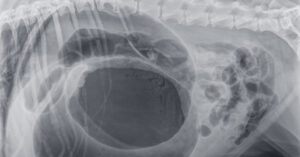
X-rays are the standard way to confirm bloat in dogs and distinguish simple gastric dilatation from the more dangerous GDV, since imaging shows whether the stomach has rotated. This distinction directly shapes the treatment plan that follows.
Additional Testing
Bloodwork is often used alongside imaging to assess organ function and check for signs of shock, since the condition can affect the heart, kidneys, and other systems as blood flow becomes compromised. These results help guide decisions during treatment.
Treatment of Bloat in Dogs
Treatment for bloat in dogs depends on severity, but nearly every case requires prompt veterinary intervention rather than a wait-and-see approach at home.
Stabilizing the Dog
Initial treatment for bloat in dogs typically involves intravenous fluids to address shock, along with efforts to relieve pressure in the stomach, such as passing a tube or using a needle to release trapped gas. Stabilization comes first, before any further procedures.
Surgical Correction
When the stomach has twisted, as in GDV, surgery is required to reposition the stomach and, in most cases, permanently secure it to the abdominal wall through a procedure called gastropexy. This step also significantly reduces the chance of recurrence in the future.
Monitoring During Treatment
Dogs being treated for bloat are closely monitored for heart rhythm irregularities and other complications that can arise even after the stomach itself has been corrected. This monitoring often continues for a period after surgery to catch any secondary issues early.
Recovery and Management of Bloat in Dogs
Recovery from bloat in dogs varies depending on how advanced the case was and whether surgery was required.
The Initial Recovery Period
Dogs typically stay hospitalized for a few days following surgery, allowing the veterinary team to monitor for complications like infection or heart rhythm problems. Pain management and a gradual reintroduction of food are part of this early phase.
Long-Term Outlook
Dogs that have had a gastropexy generally have a much lower risk of experiencing bloat in dogs again, since the procedure prevents the stomach from twisting even if gas buildup occurs. Regular follow-up visits help confirm that healing is progressing as expected.
Adjusting Daily Routines
After recovery, many owners adjust feeding schedules, meal sizes, and activity timing around meals as an ongoing precaution. These changes are often recommended even in dogs that have already had a gastropexy, since general prevention habits still support overall digestive health.
Prevention of Bloat in Dogs
While bloat in dogs cannot always be prevented entirely, several strategies can meaningfully lower the risk, especially in predisposed breeds.
Feeding Strategies
Feeding two or three smaller meals throughout the day instead of one large meal, and using a slow-feeder bowl to reduce eating speed, are among the most commonly recommended ways to reduce the risk of bloat in dogs. Avoiding vigorous exercise for a period before and after meals is another widely used precaution.
Preventive Surgery for High-Risk Breeds
For breeds at especially high risk, some veterinarians recommend a prophylactic gastropexy, often performed at the same time as a spay or neuter procedure. This proactive step can prevent the stomach from twisting even if bloat in dogs develops later in life.
Acting Quickly if You Suspect Bloat
Because timing plays such a central role in outcomes, having a plan in place before an emergency happens is one of the most valuable things an owner can do. Keep the contact information for Dix Hills Animal Hospital and the nearest emergency veterinary facility easily accessible, since bloat in dogs can develop outside of regular clinic hours. A few extra seconds spent searching for a phone number can matter in a fast-moving situation.
If your dog is showing any combination of the symptoms described above, treat it as an emergency and seek care immediately rather than waiting to see if things improve. Dix Hills Animal Hospital would rather see a dog that turns out fine than have an owner wait too long during a true case of bloat in dogs. Call us at (631) 271-8383 to speak with our team for guidance.